May 13, 2026
What Makes a Successful Prime Day
Prime Day success is built long before deals go live. The strongest brands treat every event as a learning cycle, using past insights to refine inventory, creative, and ad strategy while keeping the full Amazon operation aligned. Here are some Prime Day tips to keep in mind for this cycle and the next.
Inventory & Account Preparation
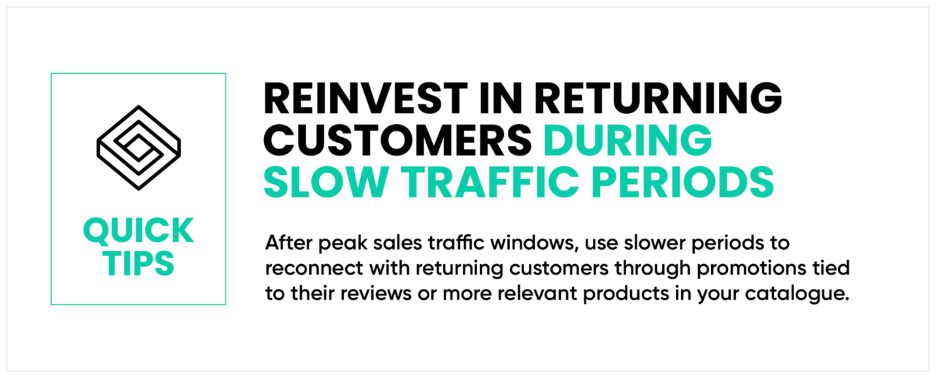
Strong Prime Day prep means protecting both conversion opportunities and long-term customer retention. Your inventory should be set up to reflect expected demand for your hero products and discounts, and it should be monitored for interesting sales trends during current and post-Prime Day traffic. To support this:
- Confirm inventory levels for all planned deal ASINs.
- Keep hero products stocked for traffic spikes and cross-sales.
- Review Amazon prep and shipping deadlines before delays hit.
- Prioritize products that previous research indicates will be relevant for loyal shoppers and new-to-brand buyers.
- Audit Buy Box ownership and unauthorized seller activity weekly.
Creative & Listing Optimization
Prime Day shoppers research before they buy. Listings, storefronts, and A+ content should already feel polished, searchable, and trustworthy before the event even starts. To help these areas of review:
- Refresh titles and bullets with clear mobile-first messaging.
- Update A+ Content with stronger visuals and brand storytelling.
- Feature bestselling and deal products on storefront homepages, and ensure the layout is easy to follow so shoppers can find what they are looking for.
- Audit SEO front-end and back-end keywords on listings that haven’t been optimized in several months and allow time for indexing updates.
- Use lifestyle imagery to quickly build recognition and trust.
Ad Strategy & Campaign Readiness
The best Prime Day campaigns are shaped by what previous campaigns revealed. Use the remaining time before launch to refine targeting, budgets, and audience strategy using real customer signals that reflect the most up-to-date trends and purchasing data available from Amazon. Adjust campaigns to make sure to:
- Review ROAS, TACoS, and NTB data from past campaigns.
- Shift strong auto campaign terms into manual exact targeting.
- Retarget PDP visitors, cart abandoners, and store audiences that may have popped up in prior weeks due to Prime Day customer research activity.
- Build ads around positive review themes and buyer feedback.
- Test lifestyle audience segments discovered through AMC insights.
ones that treat inventory, creative, and advertising as connected systems that evolve year-round. When each area is continuously refined and reviewed, Prime Day becomes less about reacting in the moment and more about executing a practiced routine. Many brands also rely on Amazon marketing agencies to help manage these moving pieces and keep performance aligned before, during, and after the event. Whatever system your team uses this Prime Day, success will come from treating each focus area as part of a larger ecosystem that supports every stage of the sales event cycle and marketing funnel in the long run.